
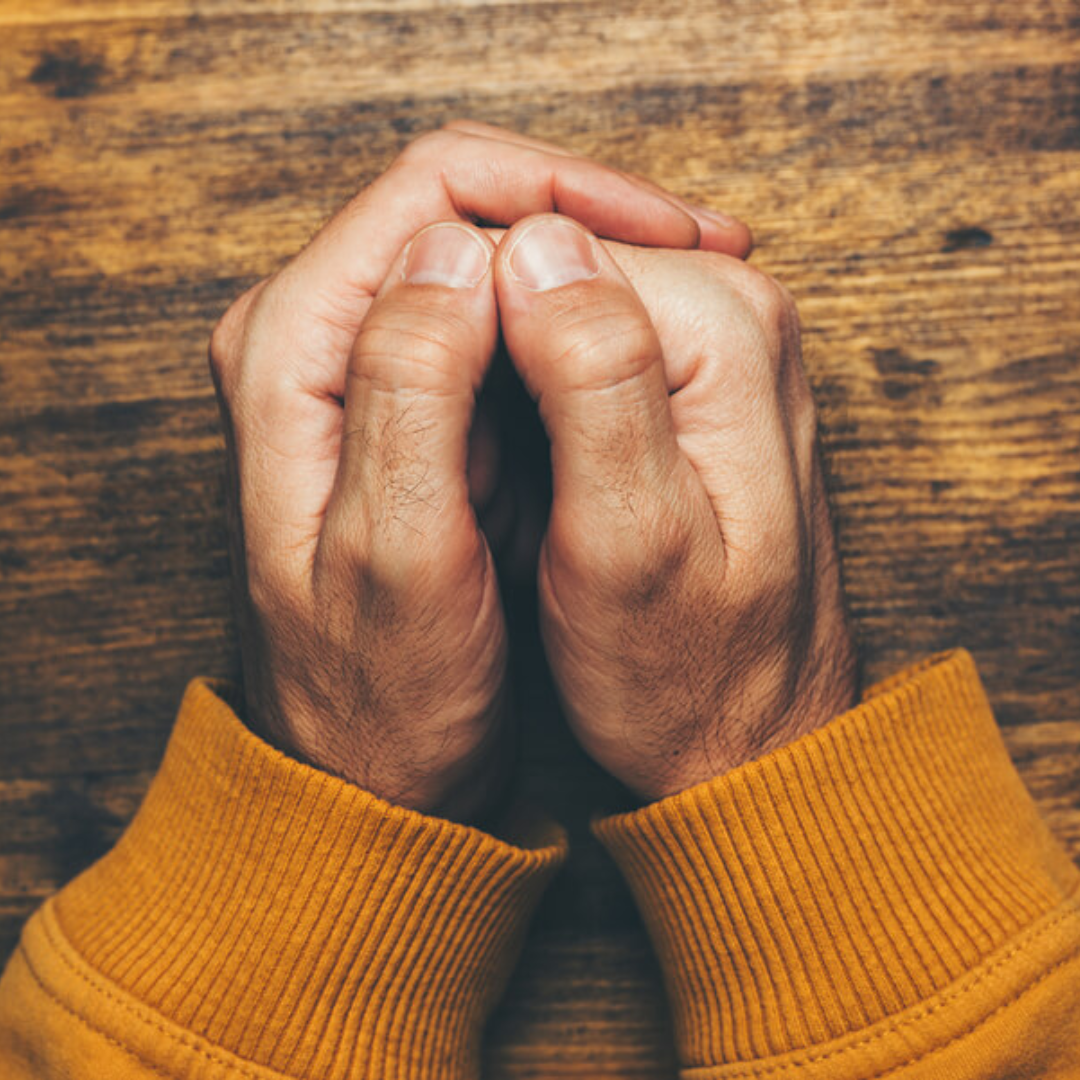
Spiritual Trauma Therapy in Charlotte, NC — Healing Without Judgment
Spiritual trauma therapy in Charlotte at Restore Hope Counseling offers a safe, nonjudgmental space to begin making sense of what happened — and to start rebuilding a grounded sense of who you are.
Spiritual trauma does more than hurt your feelings. When someone in a position of religious authority uses faith to control, shame, or deceive, it can unsettle the way you see yourself, your relationships, and your place in the world. You may question whether what happened was real — and whether healing is even possible.
It is. Max Eckerson, LCMHCA, offers trauma-informed, faith-informed counseling for survivors of spiritual trauma in Charlotte. Sessions move at your pace, helping you name what happened, rebuild trust in yourself, and move forward with clarity and confidence.

Recognizing Spiritual Trauma: Shame, Control & Loss of Self
I'll help you identify how spiritual trauma shows up in your thoughts, your sense of worth, and your daily relationships — so what once felt confusing can begin to make sense.
Practical Tools for Managing Religious Trauma
Therapy offers calming, practical skills to help you manage shame, anxiety, and distrust — tools you can bring into everyday life, not just talk about in the therapy room.
Healing from Spiritual Trauma at Your Own Pace
Healing takes time. We'll go week by week — whether that means slowing the pace, sitting with something painful, or simply being heard without judgment.
Group Therapy for Spiritual Trauma Survivors in Charlotte
Spiritual trauma can leave you feeling profoundly isolated — unsure whether what happened was real, and afraid to trust another community with your story.
Group therapy for spiritual trauma survivors at Restore Hope Counseling offers a confidential, carefully held space where members who have faced similar experiences — church hurt, religious manipulation, pastoral betrayal — can feel seen and heard without shame.
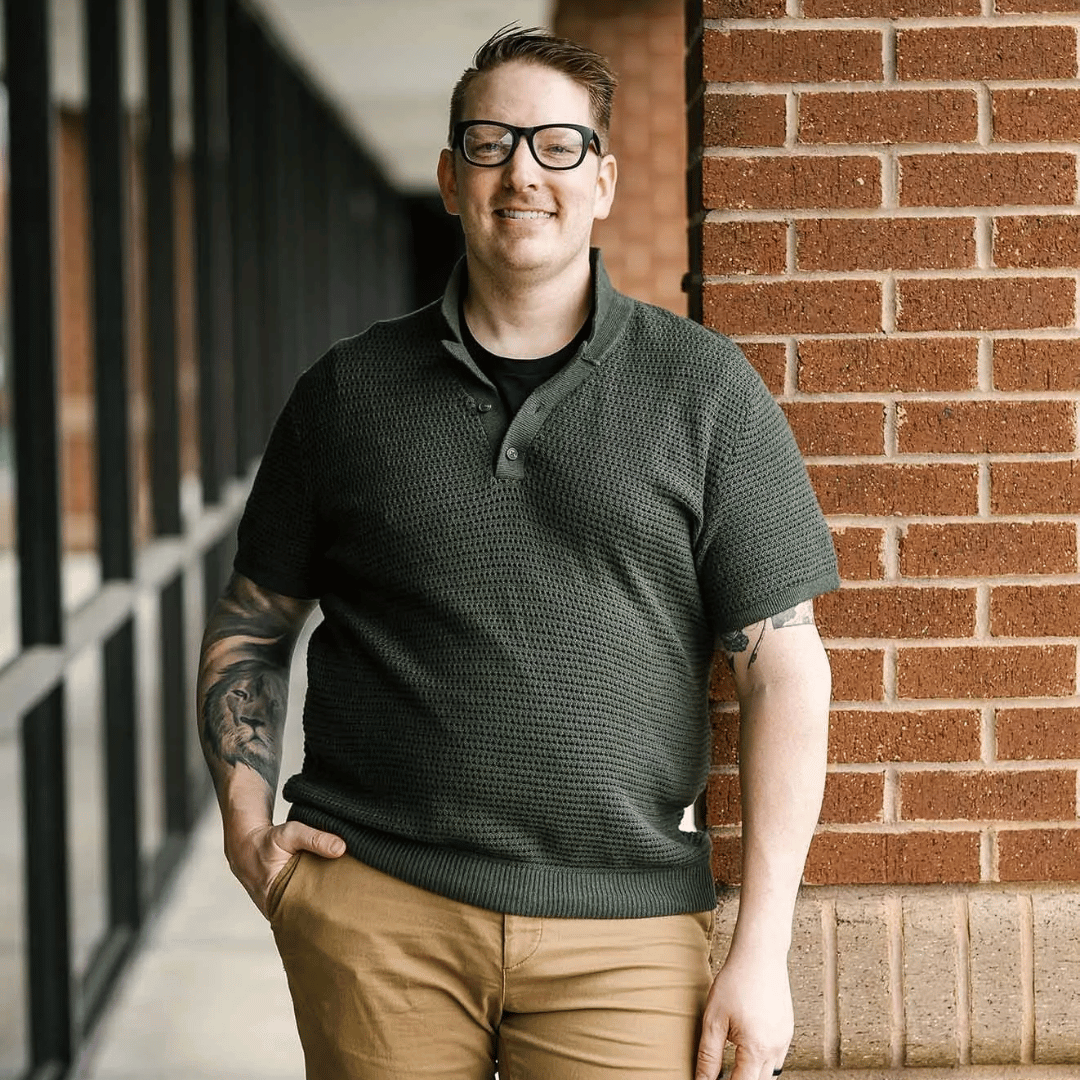
Facilitated by Max Eckerson, LCMHCA, sessions offer mutual validation, honest conversation, and practical tools for rebuilding trust. You are welcome to share your story, listen to others, and begin finding your footing again — alongside people who truly understand.

How Spiritual Trauma Affects You — And How Therapy Helps
Spiritual trauma leaves deep marks on how you see yourself, relate to others, and whether you feel safe trusting anyone — including yourself.
At Restore Hope Counseling, you'll find a consistent, grounded space to name what happened, separate your identity from the harm done to you, and move forward with greater clarity. Sessions focus on reducing shame, rebuilding self-trust, and helping you feel settled in who you are — no longer defined by what was done to you in the name of faith.
Frequently Asked Questions About Spiritual Trauma Therapy in Charlotte
-
Spiritual trauma is the result of any use of religious authority, doctrine, or faith to control, manipulate, shame, or harm another person. It can occur in churches, faith communities, pastoral relationships, families, or spiritual mentorships — and it does not require a dramatic or extreme experience to be real and harmful. Common forms include coercive control, guilt-based manipulation, shunning, and the weaponization of scripture.
-
You may benefit from spiritual trauma counseling in Charlotte if religious experiences have left you feeling confused, ashamed, unworthy, or afraid to trust your own judgment. You don't need to be certain about what happened or have a name for it before reaching out. Therapy offers a safe space to begin sorting through your experience at whatever pace feels right.
-
Yes — spiritual abuse can cause lasting trauma. Survivors often experience anxiety, hypervigilance, shame, difficulty trusting others, and symptoms consistent with PTSD. At Restore Hope Counseling, sessions address both the emotional and physical ways spiritual trauma shows up in daily life, using trauma-informed approaches tailored to your experience.
-
Yes. For those who want it, Max Eckerson, LCMHCA, offers faith-integrated counseling that respectfully weaves your beliefs into the therapeutic process. This is always optional — many survivors of spiritual abuse prefer a faith-sensitive but not explicitly religious approach. Either way, your spiritual journey is treated with care and without judgment.
-
Yes. Restore Hope Counseling specifically serves pastors, ministry leaders, and pastoral families navigating spiritual harm, burnout, and the unique pressures of ministry life. Max Eckerson, LCMHCA, understands the distinct challenges leaders face — including the difficulty of seeking help within a community that depends on you.
-
Religious trauma syndrome refers to the psychological harm caused by harmful religious experiences, including leaving a high-control church, experiencing spiritual abuse, or being raised in an environment where faith was used as a tool of fear or control. Symptoms can include anxiety, depression, loss of identity, and difficulty making decisions. Therapy can help you process these experiences and rebuild a stable sense of self.
-
Yes. Restore Hope Counseling serves men navigating spiritual trauma recovery, including men who have experienced pastoral betrayal, church hurt, or religious manipulation. Max Eckerson, LCMHCA, is a male therapist who understands the unique ways spiritual abuse affects men's sense of identity, purpose, and trust.
Get in Touch
We are here to help you start your journey of healing. Whether you have a question, want more information about our services, or would like to schedule an appointment, please reach out using the form below or by phone.
Restore Hope Counseling
Call Us:
815.980.9400
Email Us:
info@restorehopecounselings.com
Visit Us:
1811 Sardis Rd N #207, Charlotte, NC 28270, United States