
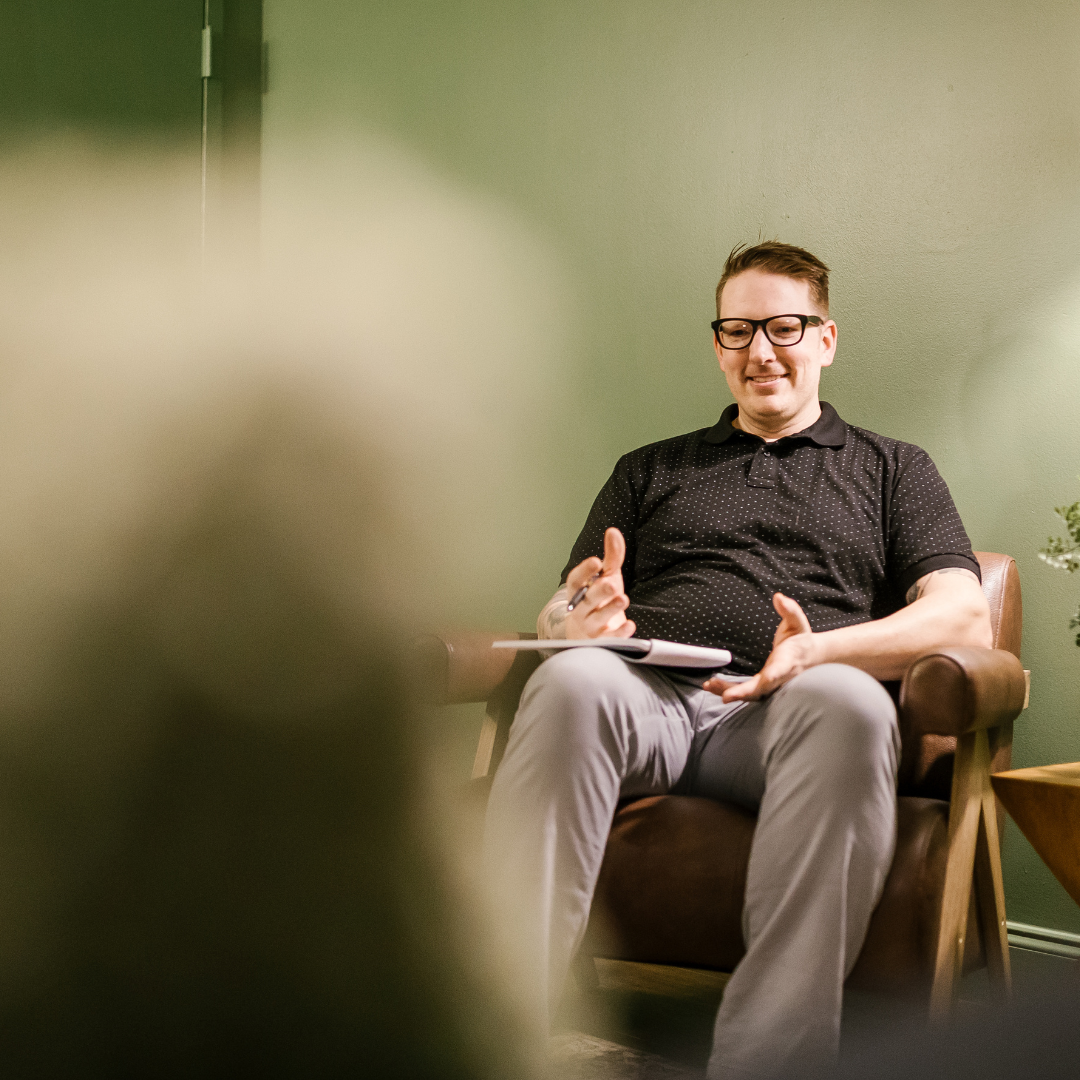
Men's Counseling & Individual Therapy in Charlotte and Matthews, NC
Restore Hope Counseling offers individual therapy and men's counseling in Charlotte and Matthews, NC for adults who are ready to do the work. If you're carrying the weight of past abuse, emotional exhaustion, identity questions, or the pressure of leadership — this is a place to set that down.
Sessions are one-on-one, unhurried, and built around you. Max Eckerson brings a male perspective and a faith-informed approach to the work, creating a space where men in particular can speak honestly without having to explain themselves or perform. Faith integration is available when you want it — and never assumed.

Space to Pause. No Pressure, No Performance
Sessions invite you to slow down, settle in, and step away from the pressure to have everything figured out before you begin.

Comfortable and Clear
Time is taken to review confidentiality, boundaries, scheduling, and insurance coverage in a calm, supportive way, so you feel informed without feeling overwhelmed.

Care That Sees You. Especially If You're a Man Who Rarely Asks for Help
Individual therapy in Charlotte is offered in a setting where you are encouraged to be yourself, explore your story gently, and move at a pace that feels safe and respectful.
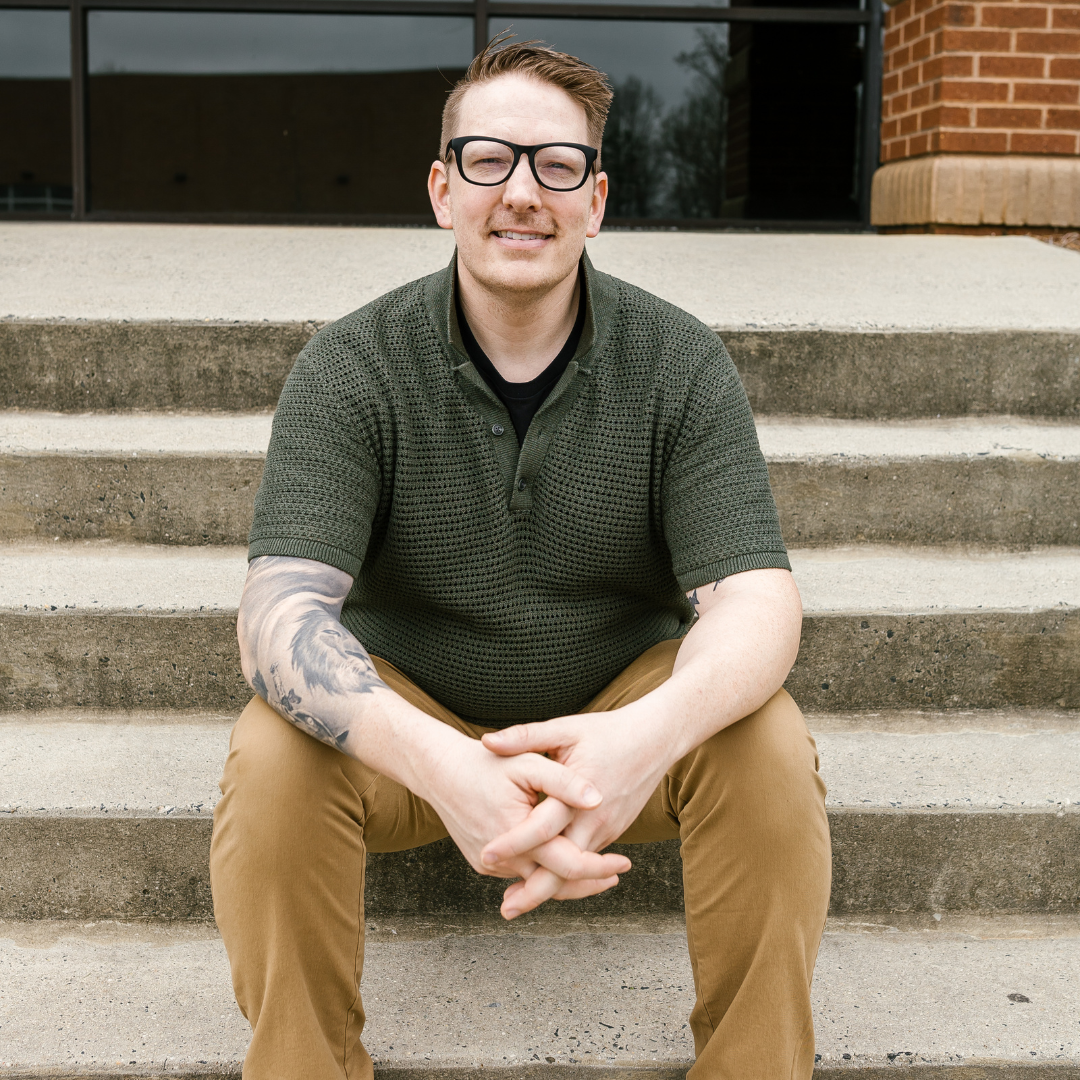
Individual Therapy for Men in Charlotte, NC
Individual therapy in Charlotte at Restore Hope works for men who feel mentally overloaded, disconnected from themselves, or stuck in patterns they can't seem to break. Whether you're navigating past trauma, relationship strain, or the quiet erosion of purpose — sessions create space to figure out what's actually going on.
The work draws from CBT, DBT, attachment-based, and gestalt approaches — practical tools that work in real life, not just in the therapy room. Max Eckerson works specifically with men, including those serving in leadership roles, and brings a grounded, direct style that feels less like being analyzed and more like having a real conversation.

Anxiety Therapy and Men's Mental Health Counseling in Charlotte
Anxiety therapy in Charlotte at Restore Hope helps men identify how tension, hypervigilance, and emotional exhaustion are showing up in their daily life — at work, in relationships, and in the way they see themselves.
Sessions focus on finding your triggers, practicing steadiness under pressure, and building the kind of self-awareness that makes it easier to respond rather than react. For men managing the demands of leadership, fatherhood, or recovery from abuse, these skills become practical tools — not just therapy-room exercises.
Faith-integrated counseling is available for those who want it, offering a space where your spiritual life and your mental health are treated as connected — not separate.
Frequently Asked Questions About Individual Therapy in Charlotte
-
Individual therapy at Restore Hope is a strong fit for men navigating past trauma, narcissistic or spiritual abuse, identity questions, leadership pressure, or the sense that something important has gone unaddressed for too long. Adults 18 and up are welcome.
-
Your first session is about getting oriented — not diving into the deepest thing immediately. Max takes time to explain confidentiality, how sessions work, and what you can expect. You set the pace. Nothing is pushed or assumed.
-
Yes. Faith-based counseling is available at your request — it's never introduced without your permission. Max brings a faith-informed worldview to his work, which means he understands that lens, but he won't apply it unless you want him to. Your values are respected from the start.
-
Everything shared in sessions is confidential. Confidentiality and its legal limits are discussed in your first session so there are no surprises. All communication and records are handled through secure, HIPAA-compliant systems.
-
Max Eckerson is one of the few male therapists in the Charlotte and Matthews, NC area who specializes specifically in narcissistic abuse recovery, spiritual abuse, and the challenges men face around identity, purpose, and leadership. He works from a faith-informed perspective and brings a direct, grounded style that men tend to find easier to engage with than traditional therapy settings